In Brownsville, Texas, the success of any construction project begins below ground. The 'Foundations' category encompasses the full spectrum of geotechnical and structural solutions required to transfer building loads safely to the earth. This includes site investigation, soil analysis, shallow and deep foundation systems, and ground improvement techniques. Given the region's unique coastal plain setting, a properly designed foundation is not merely a structural component; it is a critical risk management measure against settlement, expansive soils, and flooding. Homeowners, commercial developers, and infrastructure planners alike depend on robust foundation engineering to ensure longevity and safety.
The local geology of Brownsville presents a challenging profile dominated by the Beaumont Formation. These Pleistocene-age deposits consist largely of high-plasticity clays interbedded with silts and fine sands. These clay soils are notoriously expansive, undergoing significant volume changes with seasonal moisture fluctuations. This shrink-swell behavior can exert immense pressure on foundations, leading to cracking and differential movement. Furthermore, the city's location in the Rio Grande Valley means a high water table and a flat topography with poor natural drainage, increasing the risk of scour and soil saturation, which can reduce bearing capacity and exacerbate settlement issues.
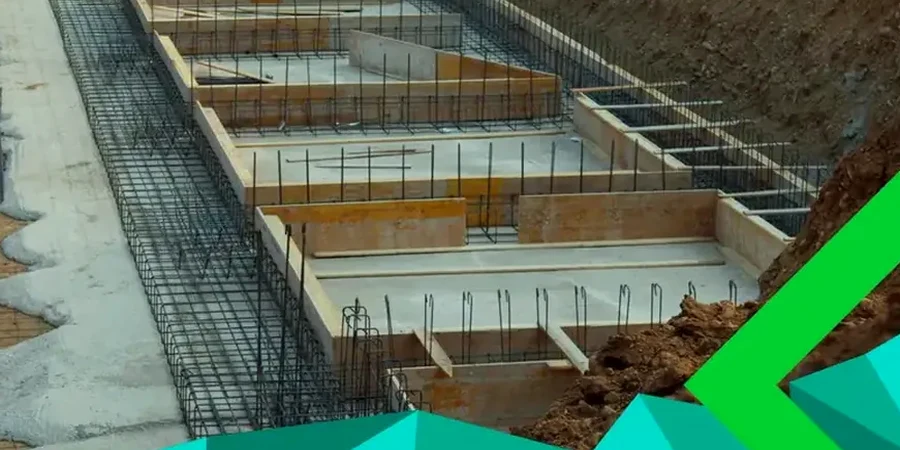
Navigating the regulatory landscape is essential for compliance and structural integrity. All foundation work in Brownsville must adhere to the International Building Code (IBC) as adopted by the State of Texas, alongside the city's local amendments. Chapter 18 of the IBC, 'Soils and Foundations,' governs geotechnical investigations, allowable bearing pressures, and foundation design. Crucially, the Texas Board of Professional Engineers (TBPE) requires that all foundation plans be sealed by a licensed Professional Engineer. For residential projects, the International Residential Code (IRC) provides prescriptive requirements, but given the problematic local soils, an engineered design is almost always necessary to meet performance standards and warranty obligations.
This category serves a diverse range of project types. Lightly loaded residential structures, such as single-family homes, frequently require specialized solutions to mitigate expansive clay damage, often leaning towards advanced pile foundation design to bypass the active soil zone. Heavier commercial buildings, including retail centers and warehouses, demand deep foundation systems to manage substantial column loads on compressible strata. Critical infrastructure like bridge abutments and flood control structures also falls under this umbrella, where deep piles provide resistance against both vertical settlement and lateral scour forces. Even light industrial facilities and pre-engineered metal buildings require meticulous ground preparation and foundation engineering to prevent operational issues.
Available services
Questions and answers
What makes foundation design in Brownsville, Texas, different from other regions?
Brownsville's unique challenge stems from the expansive, high-plasticity clays of the Beaumont Formation, which swell when wet and shrink during droughts. This intense soil movement, combined with a high water table and flood risk, requires foundation systems specifically engineered to resist differential settlement and moisture-induced heave, making local geotechnical expertise essential.
How do I know if my foundation needs to be engineered versus following standard building code prescriptions?
Given Brownsville's problematic soils, a geotechnical investigation is the definitive first step. The resulting report provides site-specific bearing capacities and soil reactivity. Based on this data, a licensed engineer will determine if prescriptive code methods are inadequate, which is often the case for expansive clays, necessitating a fully engineered foundation design.
What are the signs of expansive soil damage to an existing foundation in Brownsville?
Common indicators include sticking doors and windows, diagonal cracks at the corners of wall openings, stair-step cracking in brick mortar, and uneven floors. Externally, you might notice separation of the chimney from the house or visible cracks in the slab-on-grade perimeter. These symptoms suggest soil movement is exerting stress on the structure.
What is the typical lifespan of a properly designed foundation in the Brownsville area?
A foundation designed by a geotechnical engineer for the specific soil conditions of the Rio Grande Valley should last the lifetime of the structure, typically 50 to 100 years or more. This depends on proper construction, effective drainage management to maintain consistent soil moisture, and adherence to the maintenance recommendations provided in the geotechnical report.